


This guide walks through the key decisions so they can choose a queen bed frame that looks right, feels sturdy, and suits the space.
What size queen bed frame do they actually need?
Most queen mattresses measure 60 inches by 80 inches, but bed frames vary because of headboards, footboards, and side rails. They should check the overall outer dimensions of the frame, not just the mattress size.
They will also want to measure doorways, hallways, and stair turns if delivery or assembly happens inside the room. A frame that fits the mattress can still be a headache if it cannot be moved into place.
How much room should they leave around a queen bed?
They should aim for at least 24 to 30 inches of walking space on the sides and foot of the bed when possible. That clearance helps drawers open, doors swing, and daily movement feel easy.
If the room is tight, they can prioritize one “main” side with better clearance and keep the other side minimal. The goal is to avoid a layout where the bed blocks closets, heaters, or high use paths.
Which bed frame style suits their room best?
The best style is the one that matches the room’s visual weight and the furniture already in it. Low, simple frames make small rooms feel bigger, while taller or more detailed frames add presence in large rooms.
A queen bed frame upholstered frames feel soft and cozy, wood frames read warm and classic, and metal frames can look lighter and more open. They should choose a style that will still feel right if they change bedding or wall color later.
Do they need a headboard or is a platform frame enough?
A headboard helps if they sit up in bed often, want back support, or want the bed to anchor the room visually. It can also protect the wall from scuffs and pillow wear.
A clean platform frame can be enough if they prefer a minimal look, have limited space, or plan to mount artwork instead. If they skip a headboard, they should consider how the wall behind the bed will look and hold up over time.
Should they choose a platform bed or a box spring setup?
A platform bed usually supports a mattress with slats or a solid deck, so a box spring is often unnecessary. This can save height and create a modern profile.
A box spring setup can add height and may suit traditional frames, especially those designed with side rails and a center support system. They should check the mattress warranty requirements since some mattresses require specific slat spacing or support types.
What support features matter most for comfort and durability?
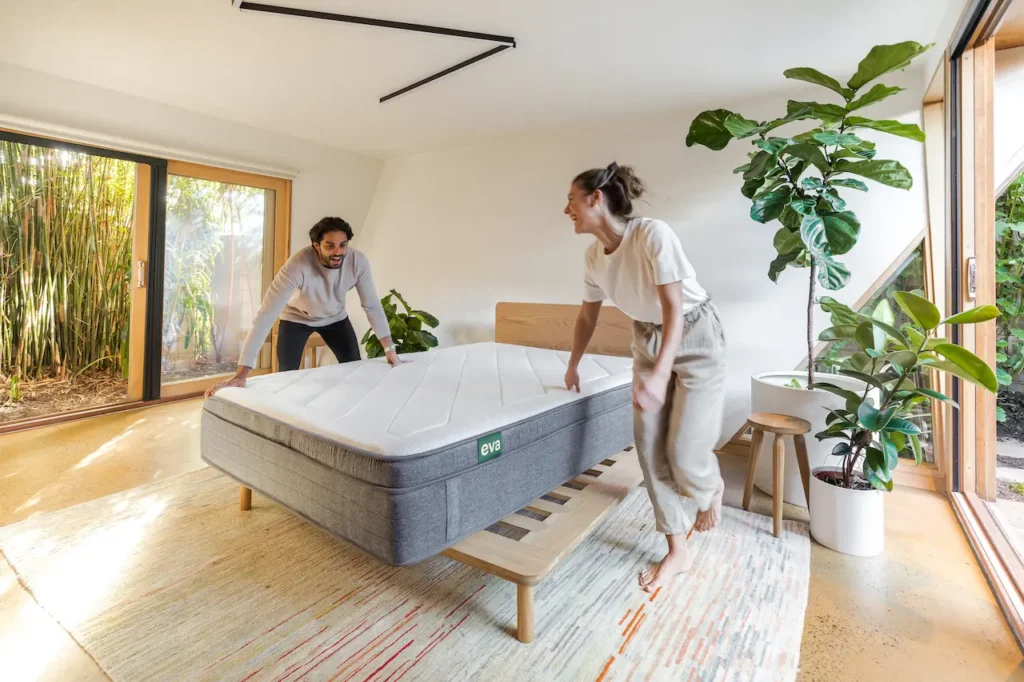
Strong support matters more than most people expect because it affects mattress performance and noise. They should look for a center support beam and at least one center leg, especially for queen sizes.
Slat quality also matters. They should prefer thicker slats with sturdy connections, and confirm the slat spacing matches their mattress type, particularly for foam or hybrid mattresses that need closer spacing.
Which materials hold up best for a queen bed frame?
Solid wood and quality steel frames tend to last longer, feel more stable, and resist wobble. Engineered wood can work well when it is thick, well finished, and paired with solid hardware.
For upholstered frames, the fabric choice matters. Performance fabrics and tight weaves tend to resist pilling and stains better, which helps if the bed is used daily and the room sees a lot of wear.
How can they choose the right height for their needs?
A lower frame can make a room feel larger and can look modern, but it may be harder for some people to get in and out of bed. A higher frame can feel more traditional and may be more comfortable for their knees and back.
They should consider the total height: frame plus mattress. Ideally, the top of the mattress sits at a height that feels natural when they sit on the edge with feet flat on the floor.
Is under bed storage worth prioritizing?
Under bed storage is a smart choice when closet space is limited. A higher frame can provide room for bins, luggage, or seasonal items without adding extra furniture.
If they prefer built-in drawers, they should confirm drawer clearance and direction. In tight rooms, drawers can collide with nightstands or walls, so lift-up storage or open under bed clearance may be the better fit.
What should they check to avoid squeaks and wobble?
Noise usually comes from loose joints, low-quality slats, or weak center support. They should look for frames with solid brackets, fewer flex points, and strong hardware that can be tightened easily.
It also helps to choose frames that include anti-slip features, like slat grips or a non-skid platform. If the floor is uneven, adjustable legs can prevent rocking and reduce movement over time.
How do they match a queen bed frame with nightstands and other furniture?
They should match nightstand height to the mattress height for a practical reach. A good target is for the nightstand top to sit near the top of the mattress, not far below it.
Visually, they should balance the bed’s weight with other pieces. A chunky frame can overwhelm delicate nightstands, while a thin metal frame may look lost next to heavy dressers, so they should aim for consistent scale and finish.
What budget range makes sense without sacrificing quality?
They can often find reliable queen bed frames across a wide range, but ultra-cheap frames are more likely to squeak, bend, or loosen quickly. Spending a bit more usually buys better joints, stronger support, and cleaner finishes.
They should prioritize the parts that matter most: center support, slat strength, and hardware. Decorative extras can be nice, but stability and support protect the mattress and reduce long-term replacements.
What questions should they ask before buying online?
They should confirm the overall dimensions, weight capacity, and support design details, not just the style name. They should also check whether a box spring is required and whether the frame includes slats.
They will want to read reviews that mention assembly difficulty, squeaks, and long-term stability. Return policies matter too, especially for upholstered or bulky frames that can be hard to repackage.
How can they make the final decision confidently?
They should choose the frame that fits the room with comfortable clearance, supports the mattress properly, and matches how they use the bed every day. If two options feel similar, the better support system and easier assembly usually wins.
When in doubt, they can treat the purchase like a three part checklist: fit, support, and daily function. If all three are strong, the frame will likely feel right long after the first week.
FAQs (Frequently Asked Questions)
What size queen bed frame do I actually need?
Most queen mattresses measure 60 inches by 80 inches, but bed frames vary due to headboards, footboards, and side rails. It’s important to check the overall outer dimensions of the frame, not just the mattress size. Also, measure doorways, hallways, and stair turns to ensure the frame can be moved into place without issues.
How much walking space should I leave around a queen bed?
Aim for at least 24 to 30 inches of walking space on the sides and foot of the bed when possible. This clearance allows drawers to open, doors to swing freely, and daily movement to feel comfortable. In tighter rooms, prioritize one side with better clearance while keeping the other minimal to avoid blocking closets or high-use paths.
Should I choose a headboard or is a platform frame enough?
A headboard is beneficial if you often sit up in bed, want back support, or want the bed to anchor the room visually while protecting walls from scuffs. A clean platform frame works well for a minimal look, limited space, or if you plan to mount artwork above. If skipping a headboard, consider how the wall behind the bed will look and hold up over time.
What support features are essential for comfort and durability in a queen bed frame?
Strong support is critical because it directly influences mattress durability, stability, and noise reduction, forming a key part of bed frame structural integrity and mattress support system requirements. For queen sizes, ensure the presence of a centre support beam with at least one central leg to prevent sagging over time. Slat construction is equally important—opt for thicker, well-secured slats and verify that spacing is compatible with your mattress type, particularly for foam or hybrid models that require closer slat intervals for optimal performance.
Which materials hold up best for a queen bed frame?
Solid wood and quality steel frames tend to last longer, feel more stable, and resist wobble. Engineered wood can work well if it’s thick, well-finished, and paired with solid hardware. For upholstered frames, opt for performance fabrics with tight weaves that resist pilling and stains for durability in daily use.
How do I match a queen bed frame with nightstands and other furniture?
Match nightstand height to your mattress height for easy reach—ideally near the top of the mattress. Visually balance the bed’s weight with other pieces: chunky frames may overwhelm delicate nightstands; thin metal frames might look lost next to heavy dressers. Aim for consistent scale and finish throughout your bedroom furniture.