

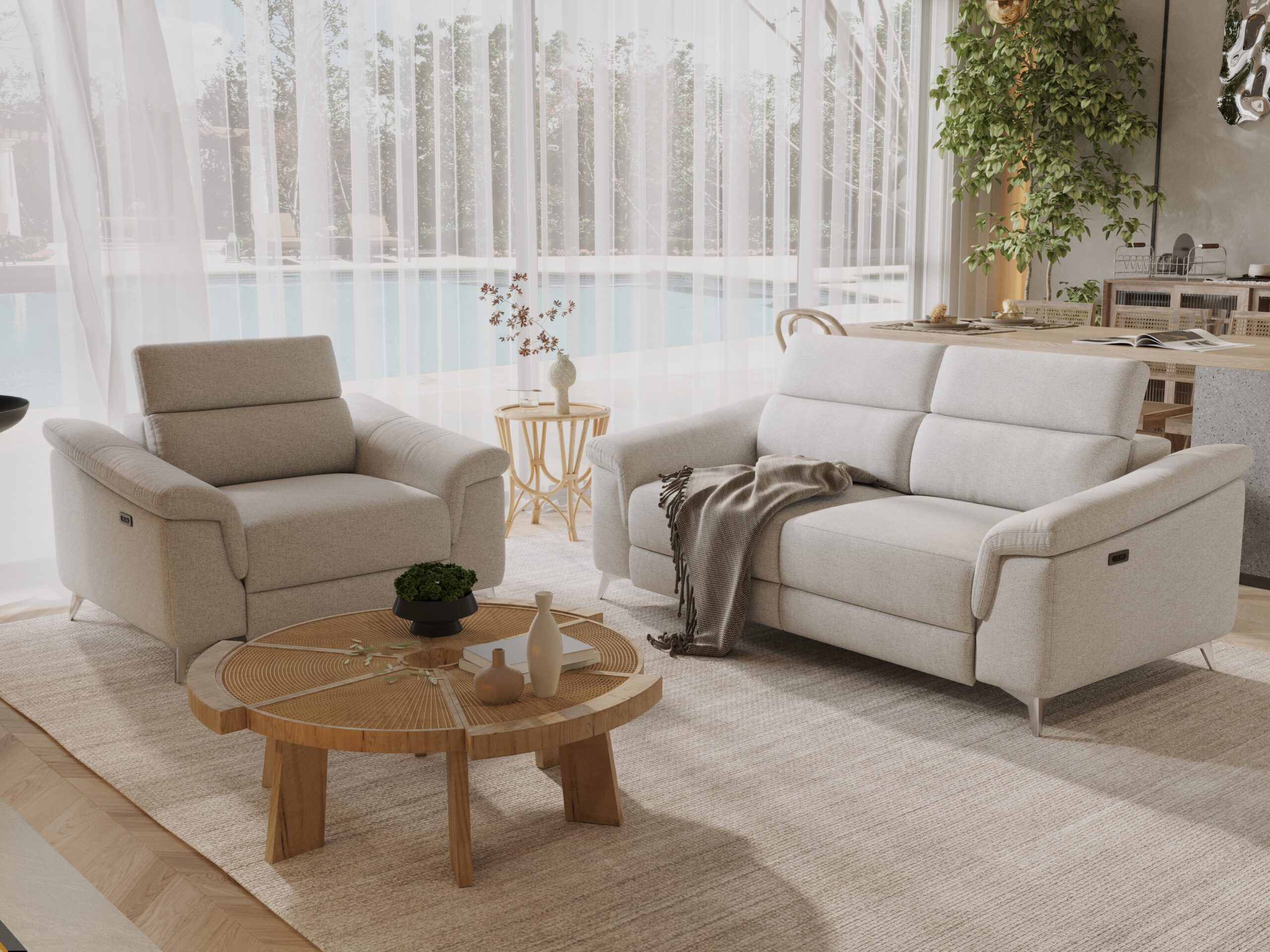
This guide breaks down what matters most, where trade-offs usually happen, and how they can choose a recliner sofa that fits both their body and their space.
What makes a recliner sofa feel genuinely comfortable?
True comfort comes from support, not just softness. When exploring recliner sofas Australia, it’s important to look beyond plush cushioning. A good recliner aligns the head, back, hips, and legs so they can relax without pressure building in one spot.
They should look for consistent lumbar support, a headrest that meets the neck naturally, and a footrest that lifts legs without forcing knees too high. Seat depth matters too: if it is too deep, shorter users will slouch; if too shallow, taller users will feel perched.
What design compromises do recliner sofas usually force?
Most recliners are bulkier than fixed sofas because the mechanism needs space. That extra depth can make a room feel tighter, especially in apartments and newer builds.
They may also notice thicker arms, higher backs, and visible seams that read more “home theatre” than “designer lounge.” The compromise is usually visual lightness. Sleeker recliners exist, but they often cost more or offer fewer recline positions and less padding.
Which is better in Australia: manual or electric recliners?
Electric recliners are easier to use and allow more precise positioning. They are often better for households where different people want different angles, or where mobility is a concern.
Manual recliners can be simpler and sometimes cheaper, with fewer electrical parts to maintain. But they need clearance to operate, and the lever or pull tab is not everyone’s preference. In many Australian homes, electric wins when comfort is the priority, while manual appeals to buyers who want simplicity and fewer components.
How do materials affect comfort and style in Australian conditions?
Material choice changes both how the sofa feels and how it ages. In warmer Australian climates, breathable fabrics can feel cooler and less sticky than leather, especially in summer.
Leather often looks more “premium” and wipes clean easily, but it can feel cold in winter and warm in direct sun. Performance fabrics and textured weaves can deliver a softer, more contemporary look while standing up to family use. If they have pets, tight weaves and protected leather tend to cope better than loose, snag-prone fabrics.
What sofa size and layout works best for typical Australian living rooms?
A recliner needs more planning than a standard couch. They should measure not only wall length, but also recline clearance behind the sofa and walking space in front when the footrests are up.
For smaller spaces, a 2-seater recliner or a compact 3-seater with slim arms often suits better than oversized, deep models. For open-plan living, an L-shaped recliner lounge can work, but only if the recline positions do not block key pathways. Modular recliners can be a practical middle ground because they can fit awkward rooms and be rearranged later.
How can they spot a recliner that looks “designer” without losing comfort?
The most design-forward recliners usually hide their comfort features. They use slimmer arms, cleaner stitching lines, and more tailored cushions, sometimes with a slightly higher seat height for a neater silhouette.
They can also look for models where the recline function is subtle, such as wall-hugger designs that recline with minimal rear clearance. Neutral colours, low-sheen fabrics, and legs that lift the base off the floor can also make a recliner feel less bulky. The goal is a sofa that reads like a modern lounge first, and a recliner second.
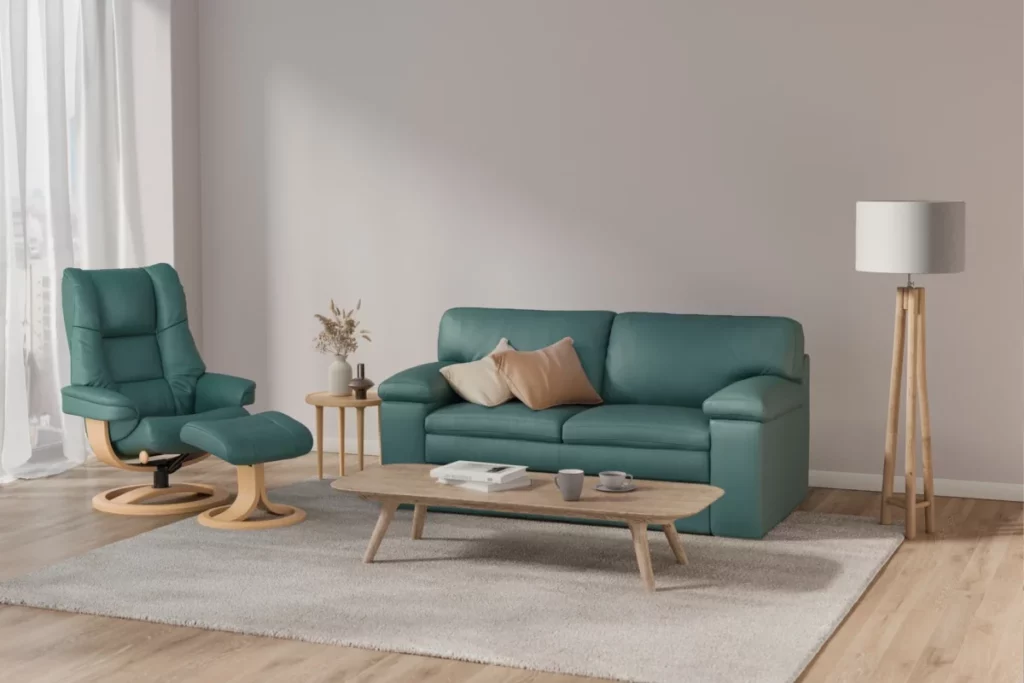
What features matter most if comfort is the top priority?
If comfort leads the decision, the key features are support and adjustability. They should prioritise strong lumbar support, multi-position reclining, and a headrest that fits their height.
Seat cushioning should rebound rather than collapse, and the footrest should feel stable, not flimsy. For long viewing sessions, they may value extras like USB charging, cupholders, or a centre console, but these should be secondary to posture and support. If possible, they should sit for at least 10 minutes in their normal lounging position before deciding.
What features matter most if design is the top priority?
If design leads, they should focus on proportions, upholstery, and how the sofa sits in the room. Slimmer arms, lower-profile backs, and consistent cushion lines tend to look more contemporary.
They should also pay attention to how the recliner mechanism affects the overall shape. Some recliners look great upright but become visually heavy when reclined. A good design-first model still looks cohesive in both positions. Choosing colours that match existing flooring and wall tones often matters more than trendy shades.
How can they balance comfort and design without overspending?
They can start by deciding what must be “perfect” and what can be “good enough.” For many buyers, the non-negotiables are back support and upholstery they actually like looking at every day.
One practical approach is to buy a simpler, well-built recliner sofa and elevate the look with styling: a structured rug, a clean-lined coffee table, and lighting that makes the seating zone feel intentional. Another approach is to invest in a design-forward recliner for the main room and place a cheaper, comfort-first recliner in a media room.
What is the simplest way to choose the right recliner sofa in Australia?
They should choose based on room measurements, daily use, and who will sit there most. A recliner sofa that looks great but feels wrong will be regretted quickly, and a sofa that feels great but dominates the room will annoy them every time they walk past it.
A simple checklist helps:
- Measure width, depth, and recline clearance.
- Pick manual or electric based on how often they will recline.
- Choose upholstery that suits climate, pets, and cleaning habits.
- Test lumbar, headrest fit, and seat depth for their body type.
- Make sure it still looks good in the room’s main viewing angles.
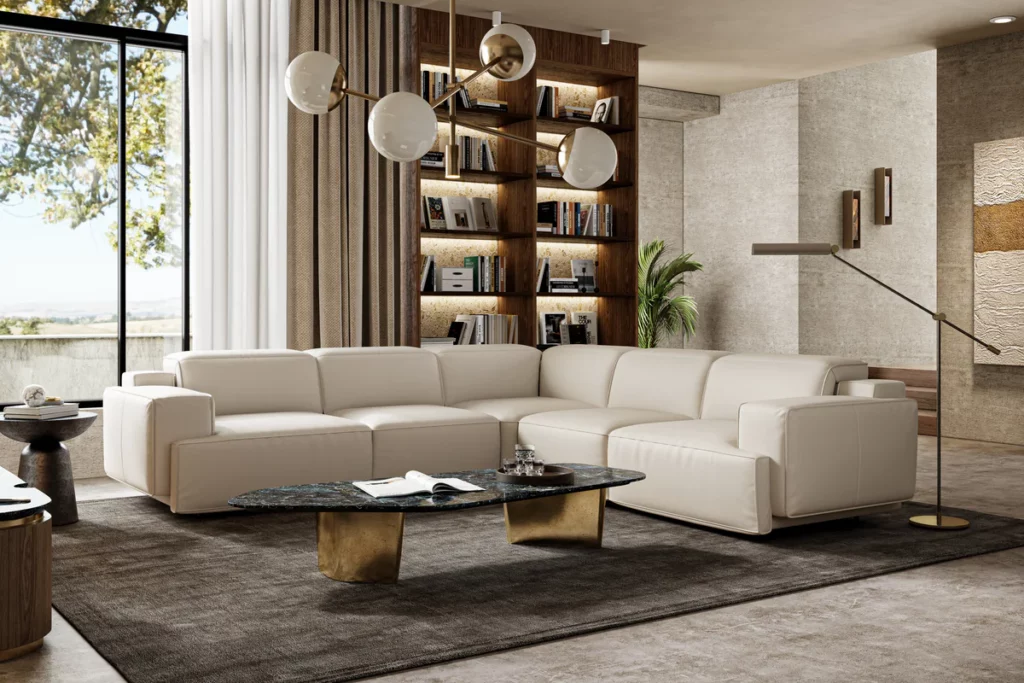
FAQs (Frequently Asked Questions)
What makes a recliner sofa genuinely comfortable in Australian homes?
True comfort in a recliner sofa comes from proper support rather than just softness. A good recliner aligns the head, back, hips, and legs to prevent pressure build-up. Look for consistent lumbar support, a headrest that naturally fits the neck, and a footrest that lifts legs without forcing knees too high. Seat depth is crucial—too deep causes slouching for shorter users; too shallow leaves taller users feeling perched.
What design compromises are common with recliner sofas in Australia?
Recliner sofas tend to be bulkier than fixed sofas due to their mechanisms, which require extra space. This added depth can make rooms feel tighter, especially in apartments or new builds. They often feature thicker arms, higher backs, and visible seams that give a ‘home theatre’ rather than ‘designer lounge’ look. Sleeker recliners exist but may cost more or offer fewer recline positions and less padding.
Should I choose a manual or electric recliner sofa in Australia?
Electric recliners provide easier use and more precise positioning, ideal for households with varied preferences or mobility concerns. Manual recliners are simpler, sometimes cheaper, and have fewer electrical parts but require clearance to operate and may not suit everyone’s preference. In Australian homes prioritizing comfort, electric models often win; manual appeals to those wanting simplicity and fewer components.
How do materials affect the comfort and style of recliner sofas in Australian climates?
Material choice impacts both feel and durability. In warmer Australian climates, breathable fabrics feel cooler and less sticky than leather during summer. Leather offers a premium look and easy cleaning but can feel cold in winter or warm under direct sun. Performance fabrics with textured weaves offer softness and contemporary style while standing up to family use. For pet owners, tight weaves and protected leather resist snags better than loose fabrics.
What size and layout of recliner sofa works best for typical Australian living rooms?
Planning is key since recliners need space not just for wall length but also for reclining clearance behind and walking space in front when footrests are up. Smaller spaces benefit from 2-seater or compact 3-seater models with slim arms rather than oversized deep sofas. Open-plan living can accommodate L-shaped recliners if they don’t block pathways. Modular recliners offer flexibility for awkward rooms and rearrangement later.
How can I find a designer-looking recliner sofa without sacrificing comfort?
Design-forward recliners often conceal their comfort features using slimmer arms, cleaner stitching lines, tailored cushions, and slightly higher seat heights for neat silhouettes. Look for subtle reclining functions like wall-hugger designs requiring minimal rear clearance. Neutral colors, low-sheen fabrics, and legs that lift the base off the floor help reduce bulkiness. The goal is a sofa that reads as a modern lounge first and a recliner second.
See Also: Corner sofas Sydney: maximising comfort in any room