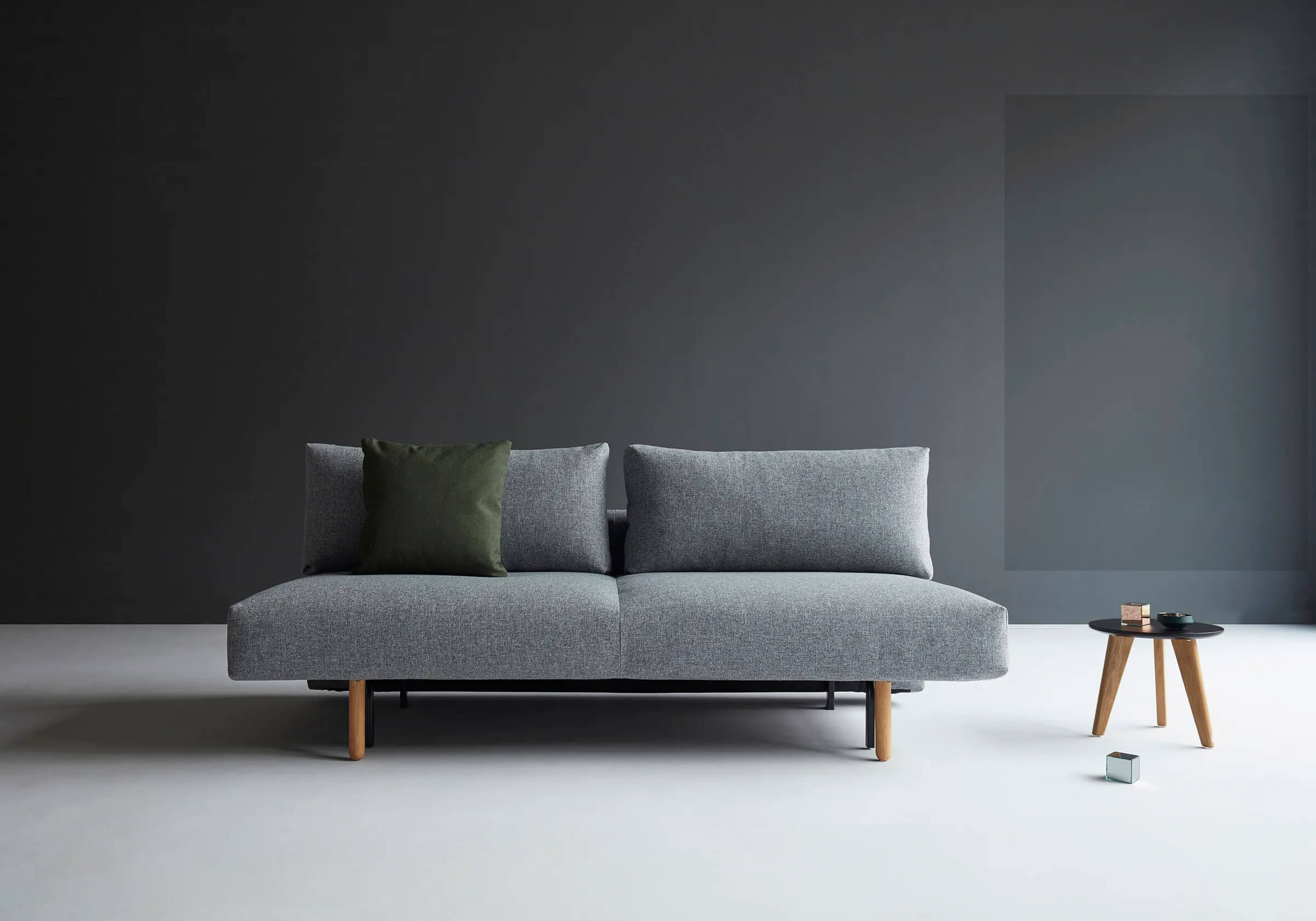
What Are Sofa Beds and Why Are They a Smart Choice for Your Home?
Sofa beds are multifunctional furniture pieces that seamlessly convert from comfortable seating into sleeping surfaces, offering dual functionality in a single unit. This space-saving furniture combines the practicality of a couch with the convenience of a guest bed.
The benefits of sofa beds extend beyond simple versatility. They solve the common challenge of accommodating overnight guests without dedicating an entire room to occasional visitors. For apartment dwellers and homeowners with limited square footage, these pieces maximize every inch of available space.
Financial value makes sofa beds a smart investment. Rather than purchasing separate furniture items—a couch and a guest bed—you acquire both functions in one piece. This approach reduces furniture costs while maintaining hospitality readiness.
Modern sofa beds have evolved significantly from their clunky predecessors. Today’s designs prioritize:
- Aesthetic appeal that complements contemporary interior styles
- Improved comfort through advanced mattress technologies
- Smooth transformation mechanisms requiring minimal effort
- Durable construction built to withstand regular use
Home offices, studios, and multi-purpose rooms benefit tremendously from sofa beds. During daytime hours, the space functions as a living or working area. When needed, it transforms into comfortable sleeping quarters within moments.
The adaptability of sofa beds addresses changing household needs. Growing families, frequent hosting, or accommodating visiting relatives becomes manageable without permanent spatial commitments. This flexibility proves invaluable as living situations evolve over time.
What Are the Different Types of Sofa Beds and Their Functions?
Sofa bed types vary significantly in their transformation mechanisms and sleeping surfaces, each designed for specific living situations. Understanding these differences helps match the right style to your needs.
1. Pull-Out Bed (Sleeper Sofa)
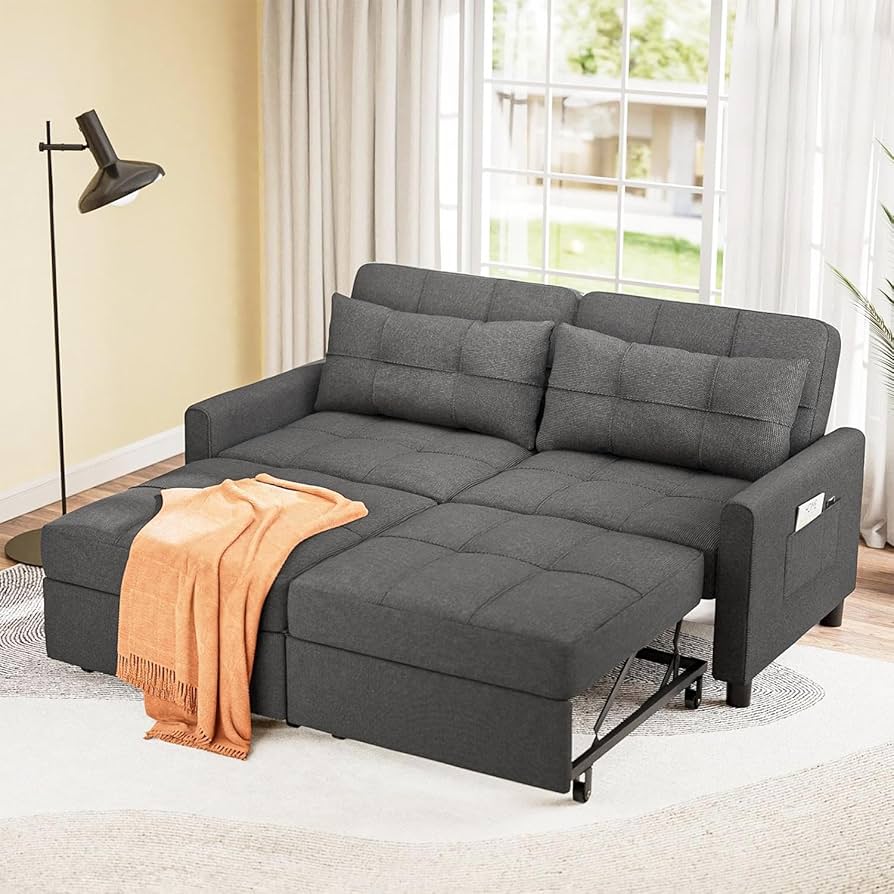
The traditional pull-out bed features a metal frame and mattress hidden beneath the seat cushions. Users remove the cushions, pull the frame outward, and unfold the legs to create a sleeping surface. This classic design works well for guest rooms where the bed function is used occasionally rather than nightly. The mattress typically sits within a metal grid system, which can affect comfort levels depending on quality.
2. Fold-Out Ottoman Bed
A fold-out ottoman bed disguises itself as a simple ottoman or footstool until needed. The top unfolds in sections to reveal a flat sleeping surface, transforming a compact piece into a single or small double bed. This space-saving option suits studio apartments or rooms where floor space is precious. The mattress folds into thirds or quarters when stored, making it remarkably compact.
3. Click-Clack Mechanism
The click-clack mechanism operates through a simple backrest adjustment system. The backrest clicks into multiple positions—upright for sitting, reclined for lounging, and flat for sleeping. This straightforward operation requires no pulling, unfolding, or removing cushions. Daily sleepers often prefer this mechanism because the mattress remains in place, eliminating setup time and physical effort.
4. Slide-Out Sofa Bed
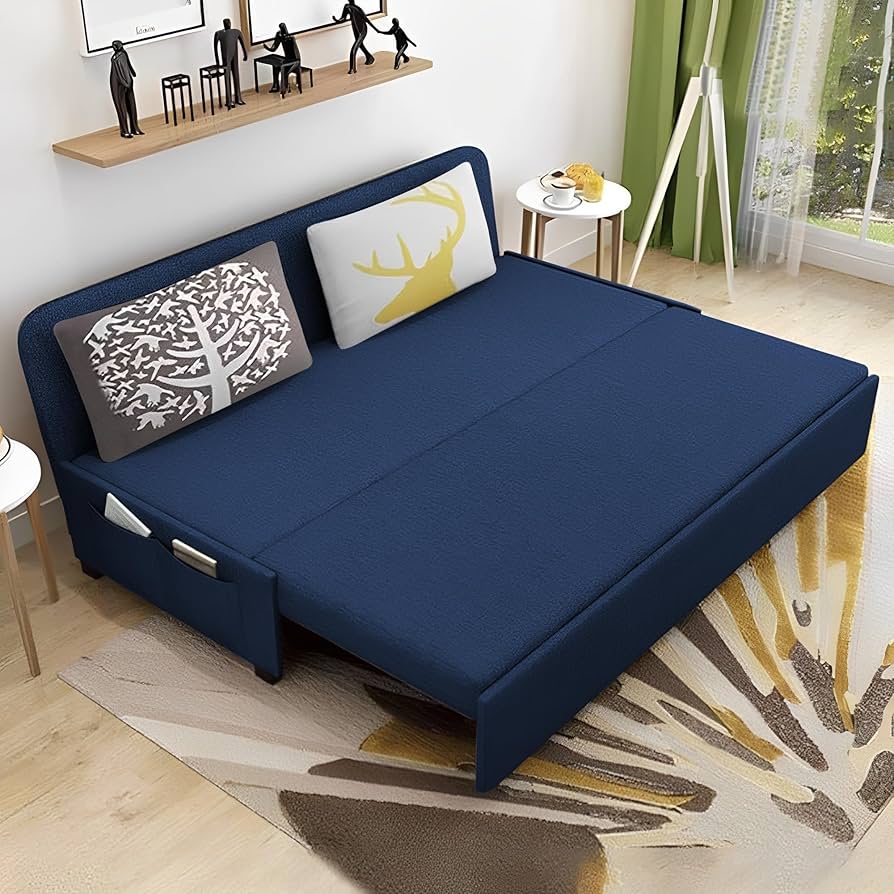
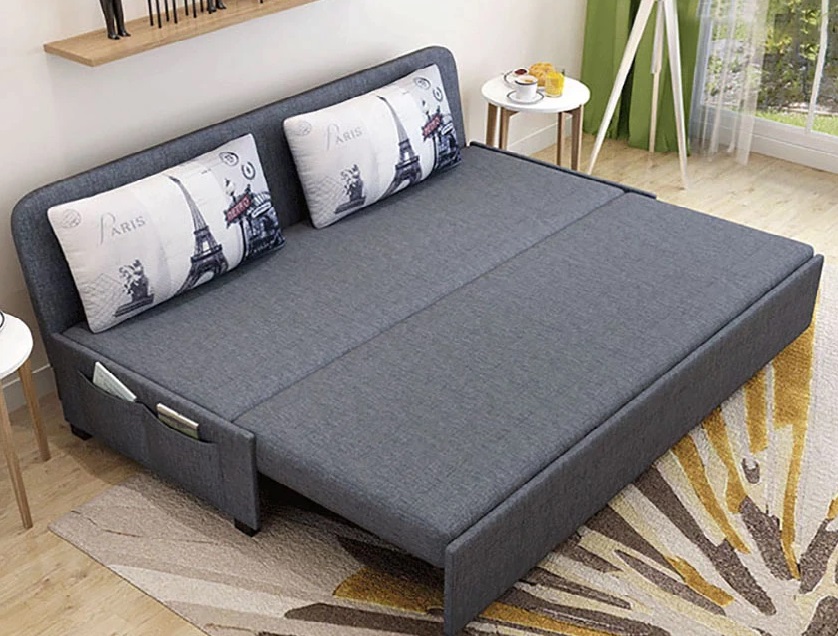
Slide-out designs feature a platform that extends forward from beneath the seat, with the backrest cushions dropping down to create a level sleeping surface. This mechanism preserves the mattress integrity better than fold-out systems since nothing bends or folds. The smooth gliding action makes conversion effortless, appealing to those who switch between sofa and bed modes frequently.
How Usage Frequency Affects Your Choice
Occasional guest use (monthly or less) allows flexibility with mattress quality. A thinner mattress (12-14cm) with basic innerspring construction provides adequate comfort for short stays. The focus can shift toward daytime seating comfort and aesthetic appeal.
Weekly guest use demands better mattress quality. A 15″
How Can Buyers Determine the Right Size and Dimensions for Their Space?
Start by measuring your living space before browsing sofa bed options. Record the length and width of the area where you plan to position the furniture, then measure all doorways, hallways, and staircases the piece must pass through during delivery.
Understanding Folded vs. Unfolded Footprints
The sofa bed size changes dramatically between its two states. A compact three-seater might measure 200cm wide when closed but extend to 250cm when fully opened as a bed. Calculate both dimensions to ensure your space accommodates the transformation without requiring furniture rearrangement each time.
Key measurements to record:
- Wall space available for the sofa’s back
- Floor space extending forward when converted to bed position
- Clearance on either side for walking paths
- Distance from coffee tables or entertainment units
Critical Dimension Factors
Width determines seating capacity and sleeping space. Standard sofa beds range from 140cm for compact two-seaters to 220cm for spacious four-seaters. Arm design adds 15-25cm to each side, so a 180cm seat width becomes 210-230cm total.
Open length varies by mechanism type. Pull-out models typically extend 180-210cm from the wall, while click-clack designs maintain a smaller footprint of 160-190cm. Mattress dimensions follow standard bed sizing—single (90cm), double (135cm), queen (150cm), or king (180cm)—but verify exact measurements as manufacturers vary.
Avoiding Space Overcrowding
Leave at least 60cm of clearance around the sofa bed when unfolded. This walking space prevents the room from feeling cramped and allows comfortable movement during nighttime use. Consider ceiling height if selecting models with high backrests or storage ottomans that open upward.
Test your layout by marking floor dimensions with painter’s tape. This visual representation reveals whether the sofa bed dimensions work harmoniously with existing furniture placement and traffic flow patterns.
What Mattress Options Are Available and How to Choose for Comfort?
The sofa bed mattress determines whether your guests wake up refreshed or with aching backs. Three primary materials dominate the market: innerspring, latex, and memory foam, each offering distinct comfort characteristics that suit different sleeping preferences.
1. Innerspring Mattresses
Innerspring mattresses feature traditional coil systems that provide bouncy support and excellent breathability. These mattresses work well for guests who prefer a firmer sleeping surface with responsive feedback when they shift positions during the night. The coil structure allows air circulation, keeping sleepers cooler throughout the night—a valuable feature in warmer climates or for those who tend to sleep hot.
2. Memory Foam Mattresses
Memory foam mattresses contour to body shape, distributing weight evenly and relieving pressure points around shoulders, hips, and lower back. This material responds to body heat, softening to cradle sleepers in a customized embrace. Memory foam excels at motion isolation, meaning movement on one side won’t disturb a partner on the other. The density of memory foam varies significantly between models, with higher-density options offering better durability and support.
3. Latex Mattresses
Latex mattresses strike a balance between the bounce of innerspring and the contouring of memory foam. Natural latex provides responsive support while maintaining a cooler sleep surface than memory foam. This material resists dust mites and mold naturally, making it an excellent choice for allergy sufferers. Latex mattresses typically last longer than other materials, though they command higher price points.
Does Mattress Depth Really Matter for Comfort?
Mattress depth directly impacts how comfortable your sofa bed feels during extended use. Standard sofa bed mattresses range from 12cm to 18cm thick, with each increment affecting both comfort level and how the sofa folds when closed.
- Thinner mattresses (12-14cm) fold more easily and create a sleeker sofa profile when closed. These work adequately for occasional guest use—perhaps a few nights per month—but may not provide sufficient cushioning for daily sleeping or heavier individuals. The reduced thickness means less material between sleepers and the underlying frame mechanism.
- Mid-range depths (15-16cm) offer improved comfort without significantly compromising the sofa’s ability to fold compactly. This thickness suits most guest room setups where versatility is key.
- Thicker options (17-18cm) deliver maximum comfort but may pose challenges in terms of folding mechanisms or space constraints depending on your specific sofa design.
How Should Fabric and Color Influence Sofa Bed Selection?
Sofa bed fabric and upholstery color directly impact both the visual appeal of your space and the furniture’s long-term performance. The right fabric choice ensures your sofa bed complements your interior while withstanding daily use and occasional spills.
Does Fabric Color Need to Match Your Existing Decor?
Your upholstery color should harmonize with your room’s existing palette and design aesthetic. Neutral tones like grey, beige, or charcoal offer versatility and work seamlessly with most interior styles, allowing you to update accessories and accent pieces without clashing. Bold colors such as navy, emerald, or terracotta create statement pieces that anchor a room’s design scheme.
Light-colored fabrics brighten smaller spaces and create an airy atmosphere, while darker shades add sophistication and hide minor marks better. Consider your room’s natural lighting—spaces with abundant sunlight can handle deeper hues, whereas dimly lit rooms benefit from lighter fabrics that reflect available light.
What Fabric Textures Work Best for Different Lifestyles?
Touching and examining fabric samples in person reveals crucial information about texture and quality that photographs cannot capture. Smooth, tightly woven fabrics like microfiber or synthetic blends resist pilling and maintain their appearance through repeated use. Textured materials such as chenille or bouclé add visual interest but may trap dust and require more frequent cleaning.
The fabric’s hand-feel indicates quality—premium materials feel substantial without excessive stiffness. Run your fingers across the surface to check for consistent weave patterns and examine seams for tight, even stitching. Loose threads or uneven texture suggest lower fabric durability that won’t withstand regular conversion between sofa and bed positions.
Which Fabrics Offer the Best Stain and Wear Resistance?
Stain resistance becomes essential for sofa beds used frequently or in homes with children and pets. Performance fabrics treated with protective coatings repel liquids, giving you time to blot spills before they penetrate fibers. Look for materials rated for heavy-duty residential use, typically indicated by double-rub counts above 30,000.
Synthetic fabrics like polyester or nylon offer excellent durability and stain resistance properties compared to natural fibers such as cotton or linen. While natural fabrics provide breathability and softness benefits, they may be more susceptible to staining unless treated with specialized finishes.
When selecting a sofa bed fabric that balances aesthetics with practicality, consider these factors: lifestyle habits (kids/pets), frequency of use (daily/occasional), cleaning preferences (machine washable/professional clean). Click here to get about the definitive guide to maintaining your leather sofas.
What Frame Materials Ensure Durability in Sofa Beds?
The sofa bed frame material determines how well your furniture withstands years of repeated folding and unfolding. A robust frame prevents sagging, wobbling, and structural failure that can render your investment unusable within months.
Timber Frame vs. Steel Frame: Which Offers Better Support?
Timber frames provide traditional craftsmanship with natural flexibility that absorbs movement without creaking. Hardwoods like oak, beech, and eucalyptus deliver exceptional strength while maintaining a lighter weight than metal alternatives. These frames work particularly well in designs where aesthetics matter, as wood grain adds warmth to visible structural elements.
Steel frames excel in pure load-bearing capacity and resist warping under constant pressure. Metal construction handles heavier mattresses without flexing, making steel ideal for sofa beds used nightly rather than occasionally. The rigidity prevents the mechanism from loosening over time, though steel frames typically add weight to the overall piece.
How Does Frame Quality Impact Long-Term Performance?
Quality frames feature reinforced corner joints rather than simple screws or staples. Mortise-and-tenon joinery in timber construction or welded connections in steel frames indicate professional-grade build quality. These connection points endure the stress of transformation cycles without separating or weakening.
The thickness of frame components matters significantly. Timber slats should measure at least 18mm thick, while steel tubing needs 2mm wall thickness minimum. Thinner materials bend under weight, causing the mattress platform to sag and creating uncomfortable sleeping surfaces. Premium manufacturers often use double-layer reinforcement at high-stress points where the folding mechanism attaches.
What Should You Check When Assessing Frame Construction?
Inspect the underside of display models to examine frame assembly directly. Look for:
- Solid corner blocking that triangulates joints for added stability
- Multiple support slats spaced no more than 10cm apart across the sleeping surface
- Smooth welds on steel frames without gaps or rough edges
- Kiln-dried hardwood rather than softwood or composite materials in timber frames
- Metal-to-metal connections using bolts rather than wood screws in hybrid constructions
How Do Style and Shape Impact the Choice of a Sofa Bed?
Style and shape directly influence how well a sofa bed integrates into your living space and reflects your personal aesthetic. The design elements—from backrests to legs—should complement your existing furniture and room architecture while maintaining the functionality you need.
Does Backrest Design Affect Both Comfort and Visual Appeal?
Backrest design shapes the entire profile of your sofa bed and impacts both lounging comfort and sleeping support. Low-profile backrests create a modern, minimalist look that works well in contemporary spaces, while high-back designs offer traditional elegance and better lumbar support for extended sitting. Tufted backrests add texture and visual interest, making them popular in classic and transitional interiors. Split-back designs with adjustable sections provide versatility, allowing different reclining positions for various activities.
What Role Do Arms Play in Sofa Bed Style?
Arm design significantly affects the sofa bed’s visual weight and practical footprint in your room. Track arms feature clean, straight lines that maximize seating width and suit modern aesthetics, while rolled arms create a softer, more traditional appearance. Flared arms add a retro or mid-century modern touch, and English arms with their outward curve bring formal sophistication. Armless designs maximize space efficiency in compact rooms, though they sacrifice the support some users prefer when sitting.
How Should Seat Depth and Cushion Style Influence Your Decision?
Seat depth determines comfort for both sitting and sleeping positions, with standard depths ranging from 50-60cm. Deeper seats accommodate lounging but may feel awkward for shorter individuals, while shallower seats provide better posture support for upright sitting. Cushion configurations—whether tight-back, loose-back, or box-cushion—affect maintenance needs and visual formality. Bench-seat designs create sleek, continuous lines, while individual cushions offer easier cleaning and replacement options.
What Leg Styles Complement Different Interior Designs?
Leg design anchors the sofa bed’s aesthetic and affects cleaning accessibility underneath. Exposed wooden legs in tapered or turned styles suit mid-century modern and traditional spaces, while metal legs in chrome or matte black finishes enhance industrial or contemporary rooms. Block legs provide stability but can appear bulky in smaller settings.
What Price Ranges Should Buyers Expect When Purchasing Sofa Beds?
Quality sofa beds typically start at approximately $1,500, with most reliable options falling between $2,000 and $4,000. Entry-level models at the lower end provide basic functionality, while mid-range pieces offer better construction and comfort features that justify the investment.
Understanding the sofa bed price range requires examining what drives costs upward. Premium materials like hardwood frames, high-density foam, and genuine leather significantly increase prices compared to engineered wood and synthetic fabrics. A solid timber frame with dovetail joinery commands higher prices than particleboard alternatives yet delivers decades of service.
Craftsmanship quality directly affects budget sofas beds cost across all price tiers. Hand-tied springs, reinforced corner blocks, and precision-engineered mechanisms add to manufacturing expenses but reduce long-term repair needs. Models featuring memory foam mattresses or pocket coil systems naturally cost more than basic foam alternatives.
Breaking Down Cost Factors
The mattress type alone can add $300-$800 to the base price. Innerspring systems represent the most economical choice, while latex and memory foam options push prices higher due to material costs and manufacturing complexity.
Mechanism sophistication influences pricing considerably. Simple fold-out designs cost less than sophisticated slide-out or click-clack systems with gas-lift assistance. European-engineered mechanisms with smooth operation typically appear in higher-priced models.
Brand reputation and warranty coverage factor into pricing structures. Established manufacturers charging premium prices often include 10-15 year frame warranties and comprehensive customer support, whereas budget brands may offer limited 2-3 year coverage.
Smart Budgeting Strategies
Setting a realistic budget begins with identifying your primary use case. Daily sleepers should allocate $3,000-$4,000 for commercial-grade construction and superior mattress comfort. Occasional guest accommodations function well at the $2,000-$2,500 range without sacrificing essential quality.
Shopping during seasonal sales events—particularly end-of-financial-year and holiday periods—unlocks savings of 20-40% on quality pieces. Floor models and discontinued styles offer excellent value when structural integrity remains intact.
Prioritizing investment in frame quality and mechanism durability ensures longevity even under frequent use conditions
What Practical Tips Help Ensure a Satisfactory Sofa Bed Purchase?
Hands-on testing in a showroom provides the most reliable assessment of a sofa bed’s quality and suitability. Physical interaction reveals details that online photos and descriptions cannot capture, allowing you to make an informed decision based on direct experience rather than assumptions.
Test the Opening Mechanism Multiple Times
Operating the conversion mechanism yourself shows how much effort the transformation requires. Pull-out systems should glide smoothly without requiring excessive force, while click-clack mechanisms need to lock securely at each position. Try the conversion process at least three times to identify any sticking points, awkward angles, or heavy lifting requirements. A mechanism that feels cumbersome during a brief showroom test will become frustrating with regular use at home.
Some sofa beds feature quick-release levers or one-hand operation systems that significantly reduce conversion time. Compare different mechanisms across multiple models to understand which design suits your physical capabilities and patience level.
Evaluate Both Seating and Sleeping Comfort
Sit on the sofa for several minutes in various positions—upright, reclined, and at different spots along the cushions. The seating surface should provide adequate support without feeling too firm or allowing you to sink excessively. Pay attention to:
- Cushion resilience: Quality foam rebounds quickly when you stand up
- Backrest angle: Should support your lower back comfortably
- Armrest height: Must allow natural arm positioning without shoulder strain
- Seat depth: Your feet should touch the floor with your back against the cushions
Convert the sofa to bed mode and lie down for at least five minutes. Test different sleeping positions—back, side, stomach—to assess mattress support across the entire surface. The mattress should feel consistent without noticeable bars, gaps, or uneven areas where sections meet.
Request Detailed Warranty Information
Manufacturer warranties protect your investment against defects and premature wear. Request written warranty documentation that specifies:
- Coverage duration for frame, mechanism, and upholstery components
- Specific exclusions that void warranty protection
- Claim process requirements and response timeframes
- Repair or replacement policies for defective parts
What Delivery Considerations Should Buyers Keep in Mind?
Successful delivery starts with accurate doorway clearance measurement before your sofa bed arrives. Measure all access points including front doors, hallways, stairwells, and the room entrance where the piece will live, accounting for the sofa bed’s packaged dimensions plus several inches of clearance space.
Critical Measurements for Smooth Delivery
Your sofa bed delivery tips checklist should include measuring three key dimensions at every access point: height, width, and diagonal depth. Many sofa beds arrive partially assembled, so request exact packaging dimensions from the retailer rather than assuming the furniture’s final measurements match the delivery size.
Essential measurements to record:
- Door frame width and height (measure the narrowest point)
- Hallway width at the tightest sections
- Stairwell width and ceiling height
- Elevator dimensions if applicable
- Landing spaces where the delivery team needs to pivot
Consider removing door hardware temporarily to gain extra clearance. Some buyers overlook this simple step that can provide an additional inch or two of space, making the difference between a successful delivery and a returned item.
Understanding Professional Delivery Service Options
Standard delivery typically includes bringing the sofa bed to your home’s entrance, while white-glove delivery services offer comprehensive assistance. White-glove options include unpacking, assembly, placement in your desired room, and removal of all packaging materials—eliminating the hassle of cardboard disposal.
Many premium delivery services also offer old furniture recycling, where the delivery team removes your existing sofa or bed during the same appointment. This service saves you the effort of arranging separate furniture disposal and ensures your space is immediately ready for the new piece.
White-glove delivery typically includes:
- Room-of-choice placement
- Full assembly and setup
- Packaging material removal
- Quality inspection before departure
- Old furniture haul-away (often for an additional fee)
Schedule delivery during a time when you can be present to guide the team and inspect the sofa bed immediately upon arrival. Document any damage before the delivery team leaves, as most retailers require same-day reporting for delivery-related issues.
Planning for Challenging Delivery Scenarios
Tight spaces or upper-floor apartments require additional planning. Contact the retailer if your measurements reveal potential obstacles such as narrow doorways or steep staircases that may hinder access.
How Can Buyers Maintain Their Sofa Beds for Longevity?
Proper sofa bed maintenance tips extend the life of your investment significantly. Regular care prevents premature wear and keeps both the sofa and bed functions operating smoothly for years.
Why Is Mattress Rotation Essential?
Mattress rotation prevents uneven compression and maintains consistent support across the sleeping surface. Flip or rotate the mattress every three to six months, alternating between head-to-foot positions and top-to-bottom if the design allows. This simple practice distributes body weight evenly, preventing sagging in frequently used areas and extending mattress lifespan by several years.
How Does Vacuuming Protect Internal Components?
Dust and debris accumulate inside sofa bed mechanisms, causing friction that wears down moving parts. Vacuum the interior compartments monthly using an upholstery attachment, paying special attention to:
- Folding joints and hinges
- Mattress storage areas
- Crevices between cushions
- Under removable seat sections
This prevents dust from embedding into fabric fibers and keeps mechanical components operating smoothly without grinding or sticking.
What Sunlight Exposure Risks Should You Avoid?
Direct sunlight degrades fabric fibers and causes irreversible color fading within months. Position your sofa bed away from windows receiving intense afternoon sun, or use:
- Sheer curtains to diffuse harsh rays
- UV-blocking window films
- Furniture throws during peak sunlight hours
Rotating the sofa bed’s position seasonally also helps distribute any unavoidable sun exposure across different fabric sections.
How Often Should Cushions Be Plumped?
Daily cushion plumping redistributes filling materials and prevents permanent indentations. Lift each cushion, shake vigorously, and knead the filling back into corners. This fabric care routine takes less than two minutes but maintains the sofa’s shape and appearance dramatically better than neglected cushions that develop flat spots.
What’s the Best Approach to Spill Management?
Immediate action prevents stains from setting permanently into fabric. Blot spills with clean, white absorbent cloths—never rub, which pushes liquid deeper into fibers. Depending on the material type, follow up with appropriate cleaning solutions or methods recommended by manufacturers for effective stain removal without damage.
Are Customizable Options Worth Considering When Choosing a Sofa Bed?
Customizable sofa beds offer personalized features that can significantly enhance functionality and match specific lifestyle requirements. These options transform a standard piece into furniture tailored to your exact needs, from integrated storage to specialized mechanisms.
What Storage Features Can Be Added to Sofa Bed Arms?
Many manufacturers provide customizable arms with built-in storage solutions sofa beds that maximize space efficiency. These arms can include:
- Hidden compartments for bedding, pillows, and blankets
- Magazine holders or book slots
- Cup holders for convenience during lounging
- USB charging ports integrated into the armrest design
The storage capacity varies by model, with some arms offering deep compartments capable of holding full bedding sets. This feature proves particularly valuable in studio apartments or guest rooms where storage space is limited. Buyers living in compact spaces find these additions eliminate the need for separate linen closets or storage ottomans.
How Do Quick Transformation Mechanisms Improve Daily Use?
Quick conversion mechanisms, such as those detailed in this discussion on Reddit, represent a major advancement in sofa bed design, reducing transformation time from minutes to seconds. Modern systems include:
- One-motion pull mechanisms that unfold the bed in a single fluid movement
- Hydraulic-assisted lifts requiring minimal physical effort
- Click-and-slide rails that eliminate awkward maneuvering
- Automatic locking systems that secure the bed position safely
These mechanisms benefit users who convert their sofa bed frequently, such as those using it for daily sleeping. The ease of operation encourages regular use rather than leaving the bed perpetually deployed or avoiding conversion due to difficulty. Elderly users or those with mobility limitations particularly appreciate the reduced physical demands.
When Does Customization Justify the Additional Investment?
Assessing whether customization fits your lifestyle needs requires honest evaluation of usage patterns. Consider customization when:
- You convert the sofa bed multiple times weekly and value time savings
- Storage constraints make every cubic inch of space valuable
- Physical limitations make standard mechanisms challenging to operate
- Your interior design requires specific aesthetic elements not available in standard models
The cost premium for customizable features typically ranges from 15-30% above base models. This investment makes sense for primary furniture pieces expected to serve 10+ years, but may
Making the Right Choice: A Final Note on Selecting Your Ideal Sofa Bed
The perfect sofa bed balances your immediate needs with long-term satisfaction. Start by revisiting the three core priorities that matter most to your situation: how often you’ll use it, the space you have available, and what you’re willing to invest.
Your usage pattern dictates everything else. Daily sleepers need premium mattresses with 16-18cm depth and robust mechanisms that withstand constant conversion. Occasional guest accommodations can work beautifully with 12-14cm mattresses and simpler pull-out systems. This single decision influences your budget, frame requirements, and maintenance commitment.
Space constraints require honest assessment. Measure twice, purchase once—this old saying applies perfectly to sofa beds. A piece that looks stunning in a showroom might overwhelm your living room or refuse to fit through your hallway. Account for the fully extended footprint plus clearance space for comfortable movement around the bed.
Quality indicators reveal themselves during hands-on testing:
- Smooth, effortless mechanism operation without sticking or grinding
- Solid frame construction with minimal wobbling when pressure is applied
- Even mattress surface without lumps or sagging spots
- Fabric that feels substantial rather than thin or scratchy
- Cushions that spring back quickly after compression
Budget allocation should reflect your priorities. A $2,500 sofa bed with excellent comfort and durability serves you better than a $1,500 model requiring replacement in three years. Calculate the cost per year of expected use rather than fixating on the initial price tag.
The showroom visit remains irreplaceable despite online convenience. Sit on the sofa portion for at least five minutes. Open and close the mechanism yourself three times. Lie on the mattress in your typical sleeping position. These physical tests reveal comfort levels that specifications and photos cannot convey.
Documentation protects your investment. Verify warranty coverage for both the frame and mattress components. Understand what actions void the warranty—some manufacturers exclude damage from improper opening techniques or unauthorized modifications. Keep purchase receipts and warranty cards in an accessible location.
Your lifestyle needs should guide feature selection rather than trends or sales pressure. Storage arms benefit small-space dwellers who need every cubic inch of organization. Quick-conversion mechanisms